
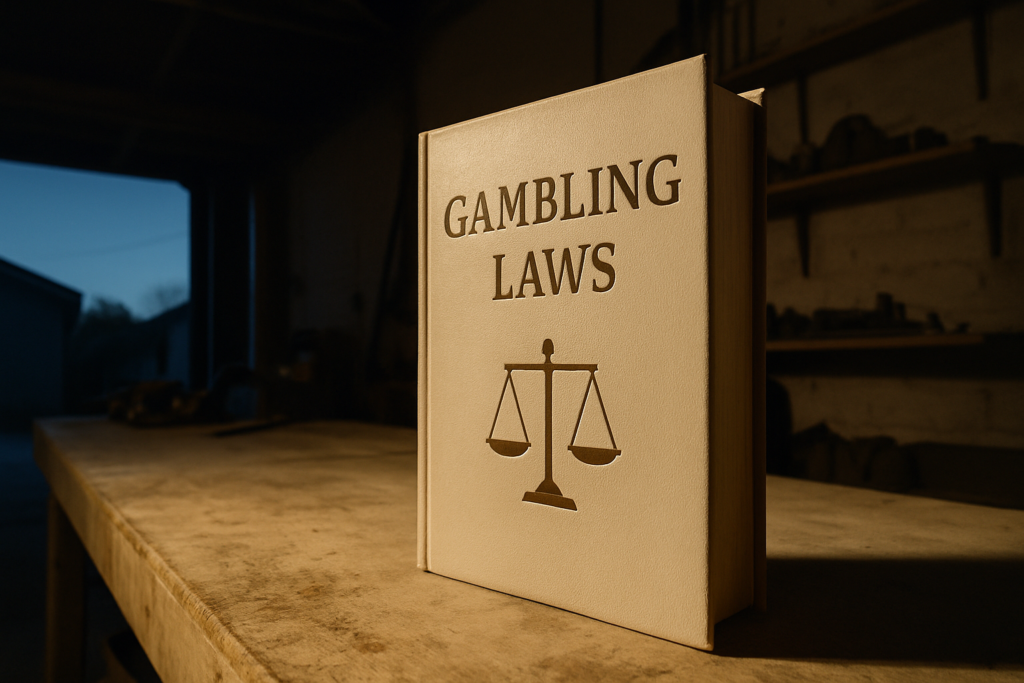
Quick Look at the Shifting Legal Landscape
High stakes gambling isn’t what it used to be and regulators aren’t sitting still. Across the globe, governments are tightening the reins, with targeted efforts to rein in aggressive play and raise accountability. Europe continues to lead on regulation, with updated rules from the UK Gambling Commission and Germany’s new compliance standards both pushing for lower limits and higher player transparency. In North America, expect more scrutiny too states like Ontario are cracking down on bonuses and onboarding practices.
Asia’s picture is more fragmented, but even offshore hubs like the Philippines are facing new tax regimes and licensing hurdles. The message is clear: play big, and the rules will follow you.
Transparency is the name of the game now. Operators must show they’re building safeguards, not just profits. Responsible gambling tools from real time spend limits to mandatory break periods are going from optional to essential. For serious bettors and platforms alike, it’s time to adapt or take a timeout.
Explore the full legal changes overview
Adapt or Fold: How High Rollers Adjust
The rules changed so did the game. Betting limits have become tighter, especially in regions doubling down on responsible gaming. Add stricter KYC rules to that, and high stakes players are being forced to rethink everything from bet sizing to bankroll management. Flashy, high risk plays with little paper trail are becoming liabilities, not flexes.
In response, some players are moving offshore or exploring decentralized platforms, which promise fewer compliance hoops and more privacy. It’s not the Wild West, but it’s close. These platforms operate in legal gray zones, and players using them are betting as much on longevity as on their next win.
Meanwhile, the smartest grinders are not just pivoting they’re optimizing. Pattern recognition, session tracking, and opponent profiling are now standard. Analytics helps identify risk flags ahead of time and keeps accounts out of trouble. It’s no longer just about instinct. It’s about knowing the system, staying low profile, and keeping the edge sharp without drawing heat.
Casino & Operator Tactics in the New Era

Casinos and gambling operators have pulled back the curtain on an old game: aggressive promo pushes and lavish VIP perks to keep high rollers chasing. That model’s fading fast. What’s taking its place is a strategy built on sustainability longer player lifecycles, lower volatility, and reduced regulatory exposure.
Promotional offers are no longer about quick wins or flashy bonuses. Instead, they’re built around reward ecosystems think tiered loyalty programs, personalized incentives, and milestone based perks. Operators want players engaged, not just spending. The big shift? It’s not about the chase anymore. It’s about the value of a consistent, predictable player over time.
VIP treatment has also changed shape. First class trips and unchecked credit are giving way to data driven prioritization. High spenders still get access but now it comes with closer scrutiny. With AML regulations stepping up across regions, onboarding has gotten tighter. Operators are deploying more robust KYC (Know Your Customer) protocols and real time monitoring. If you’re coming to the table, be ready to prove who you are and how your money flows.
In short: operators are picking consistency over chaos, and the era of “big gamble, big reward” is quietly closing.
Player Safety vs. Player Strategy
For professional gamblers, tighter regulations are no longer just legal formalities they’re strategic chokepoints. With jurisdictions rolling out stricter deposit limits, enhanced scrutiny through Know Your Customer (KYC) protocols, and rigorous activity tracking, the playing field has changed. The edge isn’t just in math or memory anymore it’s in compliance.
One area of friction: self exclusion tools and mandatory cooling off periods. They’re built for consumer protection, designed to catch impulsive behavior before it spirals. But for pros who treat gambling as a business, these systems can feel less like support and more like tripwires. Accidentally triggering a lockout or even just hesitating during account verifications can sideline a player, sometimes without much recourse.
The real kicker is how uneven the rules are across platforms. Some operators enforce cooling periods with a hard reset of the account, while others offer tiered timeouts or flexible re entry. The fine print often buries critical differences: what flags a behavior as ‘concerning,’ how support teams handle account reactivation, or how long withdrawal freeze periods drag on.
Bottom line, regulations aren’t going away. Professional players who treat account management and platform policies with the same seriousness as game strategy are the ones still in play. Everyone else? On the bench.
The Bottom Line
Legal Fluency is the New Edge
For high stakes players, understanding the legal landscape is no longer optional it’s essential. Today’s regulatory environment is dynamic, and adapting to new rules is now part of any serious gambler’s toolkit.
Successful strategies must account for regional compliance differences
Knowing platform specific rules is as critical as knowing game mechanics
Legal missteps can cost more than a bad bet
Information is Your Best Strategy
In a space where platforms and laws shift frequently, staying updated isn’t just good practice it’s a competitive advantage. Whether you play onshore or offshore, betting smart now includes reading policy updates as closely as you read odds.
Monitor regulation trends in your primary gambling jurisdictions
Watch for evolving KYC (Know Your Customer) and AML (Anti Money Laundering) frameworks
Subscribe to reputable gambling law updates or forums
Stay ahead, stay informed: Revisit the legal changes overview here


